This guide lists the basic Swahili phrases safari travelers actually use in Kenya, from greetings to bargaining at a market. Here is the honest trade-off first. Every licensed guide in Kenya speaks fluent English, so you do not need Swahili to survive a safari. You need it for something better: connection. A few well-placed words tell your guide, your camp staff, and the vendor at a Nairobi market that you noticed where you are.
This list is built around real moments on a Kenyan safari, not an abstract phrasebook. You will use most of these phrases at Wilson Airport, in a Mara conservancy, or over dinner at camp, not in a classroom.
Basic Swahili Phrases Safari Travelers Use for Greetings
Jambo is the greeting most visitors learn first, and yes, it is simplified Swahili aimed at tourists. Kenyans will understand it and often answer in kind, but it will not impress anyone who works in tourism. Use it, just know it marks you as a first-timer.
Habari (“how are things”) is the more natural everyday greeting. Reply with Nzuri (“good”) or Nzuri sana (“very good”).
Mambo is casual, closer to “what’s up.” The standard reply is Poa, meaning “cool” or “fine.”
Karibu means “welcome.” You will hear it constantly, at your lodge, at a shop, when someone offers you a seat. The reply is Karibu tena (“welcome again”) or simply Asante (“thank you”).
Shikamoo is reserved for greeting someone older or in a position of respect, such as a Maasai elder. The correct reply is Marahaba. Getting this one right matters more than any other phrase on this list.
Pronunciation Basics for English Speakers
Swahili is phonetic, which helps. Every letter is pronounced, and vowels stay consistent. Vowels are a as in “father,” e as in “bed,” i as in “machine,” o as in “go,” and u as in “flute.” There are no silent letters and no diphthongs to guess at.
Stress almost always falls on the second-to-last syllable. So safari is sa-FA-ri, and Kilimanjaro is Kili-man-JA-ro. If you get the stress right, most other mistakes are forgivable.
Polite Phrases for Everyday Moments
- Tafadhali – please
- Asante – thank you
- Asante sana – thank you very much
- Samahani – excuse me / sorry
- Pole – I’m sorry (for sympathy, not fault)
- Hapana, asante – no, thank you
- Ndiyo – yes
- Hapana – no
Pole is worth learning on its own. Kenyans use it constantly, for a stubbed toe, a delayed flight, even a hot day. Saying it back shows you understand the rhythm of daily conversation, not just the textbook.
Talking to Your Safari Guide
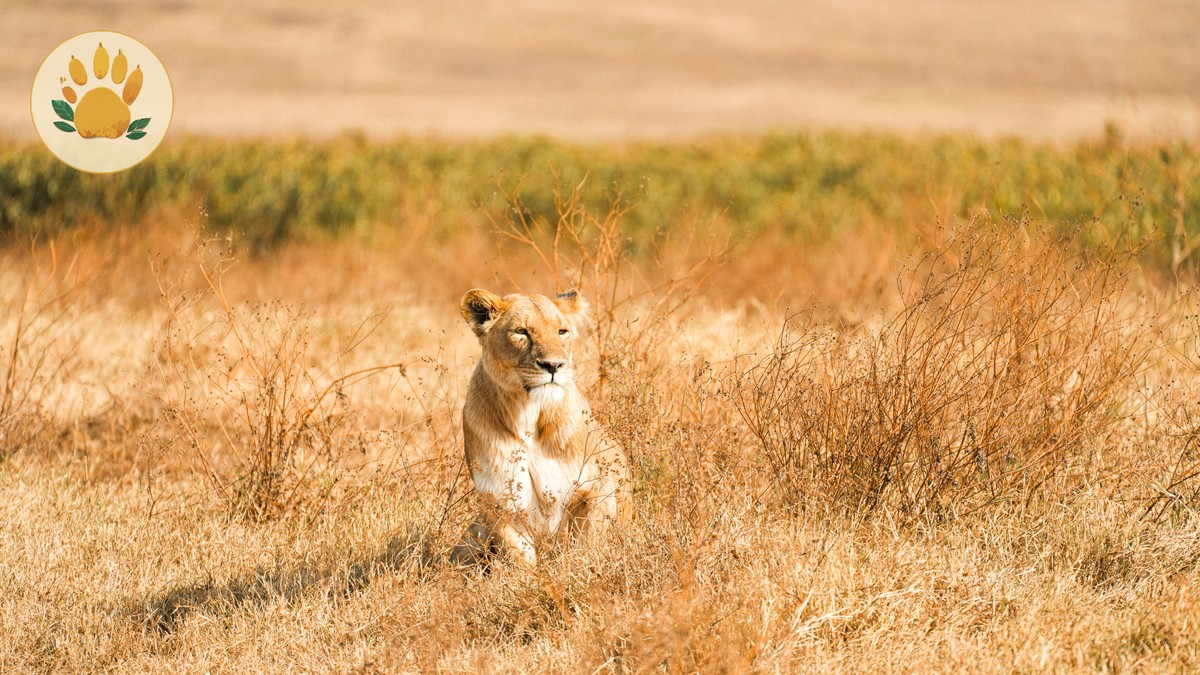
Game drive vocabulary is where Swahili earns its keep, because guides use these words in the field even when speaking English to you.
- Twende – let’s go, often called out as the vehicle starts moving
- Pole pole – slowly, slowly, the unofficial motto of any good game drive
- Tazama – look
- Angalia – watch out, pay attention
- Wapi? – where?
- Karibu sana – very close
If you spend three nights in a conservancy, you will hear pole pole more than any other phrase, usually just before a leopard sighting the guide does not want you to rush.
Learning even five of these phrases changes the texture of a game drive, especially when greeting Maasai guides in a Mara conservancy who have grown up speaking Maa first and Swahili second.
Wildlife Names in Swahili
| English | Swahili | Where you’ll likely see it |
|---|---|---|
| Lion | Simba | Maasai Mara National Reserve, Naboisho Conservancy |
| Elephant | Tembo | Amboseli National Park |
| Leopard | Chui | Mara conservancies, Samburu |
| Buffalo | Nyati or Mbogo | Lake Nakuru, Maasai Mara |
| Rhino | Kifaru | Ol Pejeta Conservancy |
| Giraffe | Twiga | Nairobi National Park |
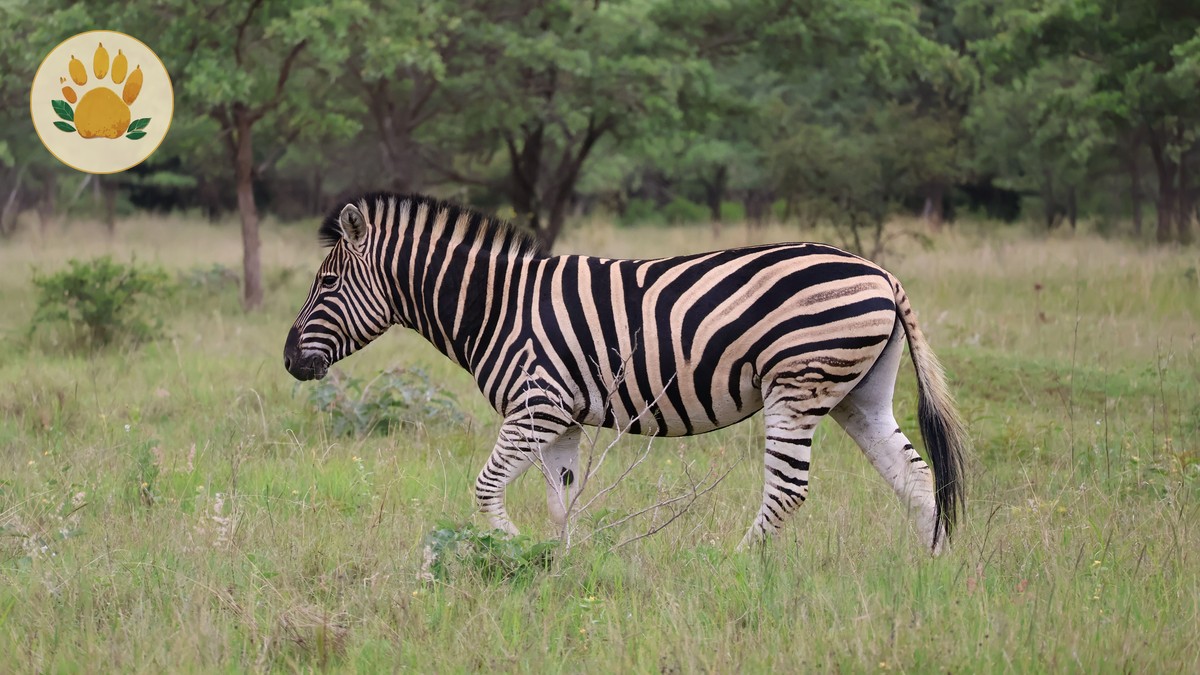
| Zebra | Punda milia | Maasai Mara, Amboseli |
| Cheetah | Duma | Maasai Mara, Ol Pejeta |
The Big Five names above are the ones guides use most often over the radio, so recognizing them will help you follow the chatter before your guide translates.
Numbers Worth Knowing
Moja (one), mbili (two), tatu (three), nne (four), tano (five). Beyond five, most travelers switch back to English, but knowing one through five covers tipping, counting animals, and confirming times like “tano” for 5 a.m. wake-up calls.
Food and Drink Vocabulary
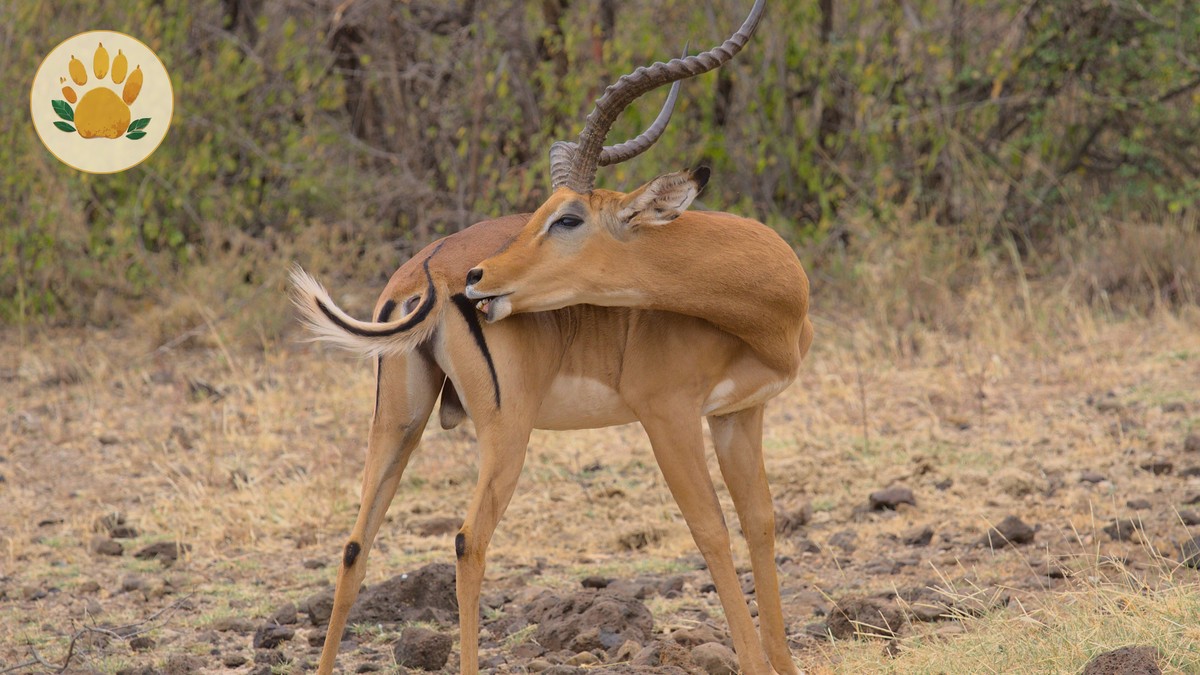
Chakula means food, maji means water, and chai means tea, though in Kenya chai often means a spiced, milky brew rather than plain tea. Nyama choma is grilled meat, a genuine national dish worth ordering at least once. Tosti is toast, and kahawa is coffee, a useful word given how much of it grows around Mount Kenya and the Rift Valley.
Market and Bargaining Phrases
- Bei gani? – how much?
- Ni ghali sana – it’s too expensive
- Punguza kidogo – lower it a little
- Sawa – okay, agreed
Bargaining is normal at markets like Maasai Market in Nairobi, where opening prices often run 50 to 100 percent above what a vendor will accept. A polite punguza kidogo usually opens the negotiation better than silence or walking away. Many vendors now also accept mobile payment, so knowing the phrases for paying vendors with M-Pesa at a local market is worth as much as knowing the words.
Where You Will Actually Use These Phrases
| Location | Distance / time from Nairobi | Phrases you’ll hear most | Typical fee |
|---|---|---|---|
| Wilson Airport, Nairobi | In city | Jambo, Karibu, Asante | N/A |
| Maasai Mara National Reserve | About 270 km, or a 45-minute flight | Twende, Tazama, Simba | Roughly $80 per adult per day (indicative, county-set rate) |
| Mara conservancies (Naboisho, Olare Motorogi) | About 280 km, 45-minute flight plus transfer | Shikamoo, Pole pole | Roughly $100 to $130 per person per night (indicative) |
| Maasai Market, Nairobi | In city | Bei gani, Punguza kidogo | Prices negotiable, bargain 30 to 50 percent off asking |
Essential and Emergency Vocabulary
Msaada means help. Daktari is doctor. Hospitali is hospital. Choo is toilet, a word you will use more than almost any other on this list. Naomba maji means “I would like water,” useful on a hot midday drive.
Cultural Etiquette Around Greetings
Greeting order matters in Kenya more than most first-time visitors expect. Greet elders before younger staff. Use Shikamoo with Maasai elders and reply to Marahaba with a nod, not a handshake, since a handshake is not always expected in that exchange. Camp staff and drivers will notice, and appreciate, when a guest greets them by name rather than defaulting to English throughout the trip.
Frequently Asked Questions
What is the most important Swahili phrase to know on safari? Asante, thank you. It costs nothing and is used constantly, from camp staff to your guide to a market vendor.
Do Kenyan safari guides speak English, so is Swahili even necessary? Yes, guides are fluent in English. Swahili is for warmth and respect, not necessity.
What does Jambo actually mean, and is it too touristy? It means “hello,” simplified for visitors. It is fine to use, just expect a knowing smile in return.
How do you greet a Maasai elder respectfully? Say Shikamoo. The correct reply is Marahaba.
Is Swahili the same in Kenya and Tanzania? Mostly, though accents and some slang differ. Core vocabulary like Jambo, Asante, and Karibu works in both countries.
What should I say when tipping a guide or driver? Asante sana works well, paired with the tip itself, since tipping in Kenya is typically handled in cash or via M-Pesa.
The SafariPure Difference
Most phrase lists are written for a generic audience, then reused across every country in East Africa. We built ours around Kenya specifically, tied to places our guests actually visit, like Wilson Airport, the Mara conservancies, and Nairobi’s markets. Your first Swahili greetings at Wilson Airport set the tone for the whole trip, and we brief every guest on exactly which phrases matter before they board that flight south. Our guides are Kenyan, many of them Maasai, and they notice when a guest has taken the time to learn even five words correctly.
Plan Your Trip With SafariPure
A handful of Swahili phrases will not change your itinerary, but they change how your trip feels. If you are ready to put them to use on a real safari, visit our Kenya safari tours page or get in touch through our contact page to start planning.