This guide covers the Karura Forest Nairobi waterfalls hike step by step, for travelers who land in Nairobi with a few hours to spare before the bush. Most first-time visitors spend a night near the airport and head straight to the bush the next morning. That leaves a gap of four or five hours where Karura Forest earns its place on the itinerary. It is a real forest, not a park exhibit, with a working waterfall, old Mau Mau caves, and trails that ordinary Nairobi residents run before work. You can walk it, see the falls, and still make an afternoon flight to the Mara or Amboseli.
What Karura Forest Is and Where It Sits
Karura Forest covers about 1,041 hectares (2,571 acres) on the north side of Nairobi, between the suburbs of Gigiri, Muthaiga, and Kiambu Road. It is managed jointly by the Kenya Forest Service (KFS) and the Friends of Karura Forest, a community trust that funds trail maintenance and ranger patrols. It sits close to the US Embassy and several UN offices, about 8 to 10 km from the city center.
The forest has four main public gates: Limuru Road (the busiest, with the largest car park), Old Kiambu Road, Forest Road, and Marula Lane. For the waterfall hike, Limuru Road gate is the easiest starting point and the one most taxi and Uber drivers know by name.
Entrance Fees: What You’ll Actually Pay
Fee numbers online are inconsistent, and that inconsistency is real, not a typo. Different guides quote 100/600 KES, 174/850 KES, or 200/1,000 KES for resident versus non-resident adults. KFS has adjusted rates more than once in recent years, and older blog posts never get updated.
The most current figure we’ve confirmed at the gate, as of mid-2026, is this:
| Category | Approximate Gate Fee (KES) |
|---|---|
| Kenyan citizen, adult | 100 – 200 |
| East African resident, adult | 200 |
| Non-resident adult (foreign tourist) | 600 – 1,000 |
| Child (all categories) | 100 – 200 |
| Vehicle entry (in addition to person fee) | 200 – 300 |
Treat this as an indicative range rather than a fixed number. Gate staff accept cash and M-Pesa, and rangers at Limuru Road gate can confirm the exact rate before you pay. If you haven’t used mobile money before, our guide on paying entrance fees with M-Pesa covers how tourists set it up.
Opening Hours and Best Time to Visit
Karura Forest opens daily from 6:00 am to 6:00 pm. Early morning, between 7:00 and 9:00 am, is the calmest window, with soft light on the falls and fewer runners on the main paths. Weekends bring more local families and cyclists, which makes for good people-watching but a busier trail.
Rain matters here. Nairobi’s long rains fall from March to May, and short rains from October to November. Both raise the water level at the falls and turn the descent steps slick with mud.
Getting There from Nairobi
From the CBD, Karura Forest’s Limuru Road gate is roughly 20 to 25 minutes by car outside rush hour, longer during the 7 to 9 am or 5 to 7 pm traffic peaks. A private taxi or Uber costs about 500 to 900 KES one way, depending on your starting hotel. Matatus running the Limuru Road route pass close to the gate for 50 to 100 KES, though you’ll need to walk the last few hundred meters.
If you’re staying somewhere central before your safari, our page on where to stay in Nairobi before your safari lists options within a short drive of the forest.
Trail Options and Distances
Karura has more than 20 km of marked trails, color-coded on the KFS map you get at the gate. For a half-day visit, four routes matter most.
| Trail | Distance | Typical Time | Highlights |
|---|---|---|---|
| Waterfall Trail | 2.5 – 3 km round trip | 45 – 60 minutes | Falls, viewing deck, descent steps |
| Waterfall + Mau Mau Caves loop | 4 – 5 km round trip | 1.5 – 2 hours | Falls, caves, forest canopy |
| Main Trail (River Loop) | 6 – 7 km | 2 – 2.5 hours | Gitathuru and Karura rivers, birdlife |
| Nairobi Tarn | 1 km spur | 20 – 30 minutes | Small dam, quiet water, few crowds |
For travelers on a tight pre-safari schedule, the Waterfall Trail alone is the practical choice. Add the caves loop only if you have a spare hour and comfortable shoes.
The Karura Forest Nairobi Waterfalls Hike Itself
From the Limuru Road car park, a graded path leads through indigenous forest, mostly flat, for about 20 minutes to the top of the falls. The waterfall drops roughly 15 meters over an orange-tinted rock face, a color that comes from iron in the local laterite soil, not pollution.
Getting close means descending a set of wooden and stone steps cut into the slope. They’re steep in places and can be muddy after rain or overnight dew. If you’re traveling with a rolling suitcase or have knee or hip issues, view the falls from the upper platform rather than attempting the full descent. There is no shame in skipping the steps. The view from the top is still worth the walk in.
Swimming is not advised. The pool at the base is shallow, rocky, and the current picks up fast after rain upstream.
Mau Mau Caves and Their History
A short walk from the waterfall are caves used by Mau Mau fighters during the 1950s independence struggle against British colonial rule. Kikuyu forest fighters used Karura’s dense cover to move supplies and hide from colonial patrols. The caves are unlit and narrow in sections, so bring a phone flashlight if you plan to go in rather than just view the entrance.
Wildlife and Birdlife
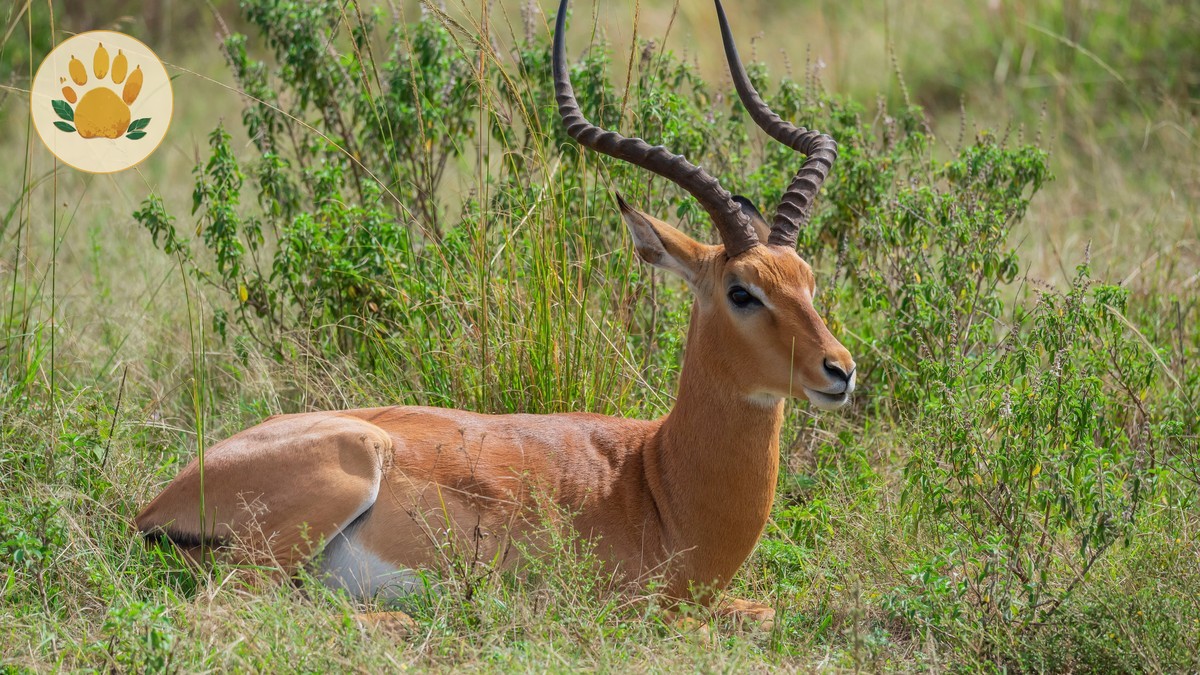
Don’t expect big game. Karura’s wildlife is duiker antelope, Sykes’ monkeys, colobus troops in the canopy, and over 200 recorded bird species, including the great blue turaco and various sunbirds. It’s a gentler warm-up for a first-time safari traveler, not a substitute for the Mara.
Safety, Rules, and Rangers
Karura is patrolled and generally considered safe, including for solo travelers, as long as you stick to marked trails and avoid the forest after the 6:00 pm closing time. Guides are optional for the main trails but recommended for the caves route, since the paths branch more than they first appear. Guides can be arranged at the gate for roughly 500 to 1,000 KES per group.
Kenya’s single-use plastic bag ban applies inside the forest, and KFS also restricts single-use plastic bottles at some gates. Carry a refillable bottle rather than buying bottled water at the entrance. Our overview of Kenya’s plastic bag and single-use plastic rules explains what’s affected and what to pack instead.
What to Bring
Closed walking shoes with grip matter more than anything else on this list, given the steps to the falls. Add a refillable water bottle, sunscreen, insect repellent, a light rain layer in wet season, and cash or M-Pesa for the gate fee. A hat helps on the open sections near the tarn.
Food and Refreshments
The River Café, near the main Limuru Road trail junction, serves coffee, light breakfasts, and sandwiches in an open-air setting by the water. It’s a reasonable stop before or after the hike, with meals in the 600 to 1,500 KES range.
Fitting Karura Into a Pre-Safari Day
For a traveler flying to the Mara or Amboseli on a same-day evening flight, or departing the next morning, the math works like this: arrive at the gate by 7:30 am, walk the Waterfall Trail by 9:00, coffee at the River Café by 9:30, back at your hotel by 10:30. That leaves the rest of the day for packing, a Nairobi National Museum stop, or simply resting before an early safari transfer. JKIA sits on the opposite side of the city, about 25 to 28 km away, so budget 45 to 75 minutes for the drive depending on traffic.
The SafariPure Difference
We don’t send clients to Karura as a box-ticking stop. We build it into the day only when the flight times and gate fees actually line up, and we tell you honestly when the waterfall steps aren’t worth it for your group. That’s the same standard we hold for every camp, conservancy, and transfer we plan, real timing, real costs, and no guesswork on the details that affect your actual day.
Plan Your Trip With SafariPure
If you’re weighing a Karura Forest morning against your Mara or Amboseli departure, we can build the logistics around it rather than the other way around. Visit our safari tours page or get in touch through our contact page to start planning.