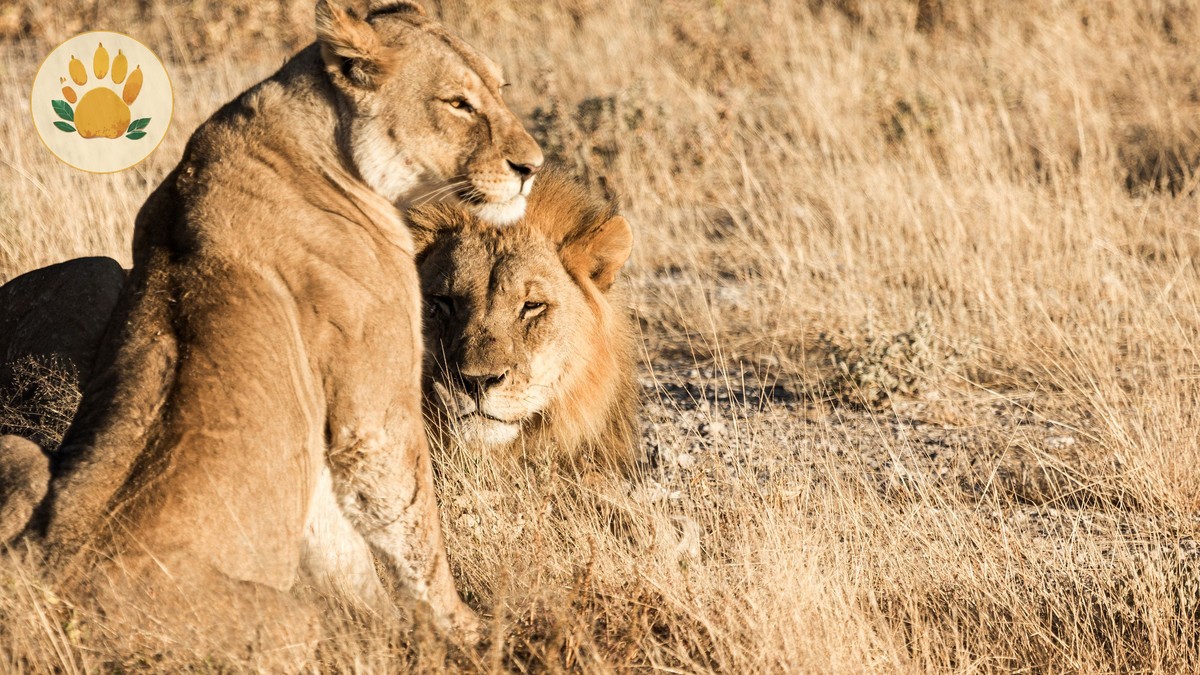
Do lions live in Lake Nakuru National Park? Yes, they do. That part is settled. The harder question, the one most park guides skip, is how likely you are to actually see one during a two or three hour game drive.
Here is the honest answer. Lions are resident and breeding in the park. Some of them climb trees, which is rare lion behavior seen in only a handful of places in Africa. But sightings are not guaranteed the way they often are in the Masai Mara. SafariBookings, which tracks reported wildlife sightings across Kenyan parks, rates lion sightings at Lake Nakuru as “Occasional,” not “Common.” That single word matters more for trip planning than any amount of scenery description.
This guide gives you the real picture: where the lions are, why they climb trees here, when to look, and whether Nakuru is the right park for your safari if lions are your priority.
Direct Answer: Do Lions Live in Lake Nakuru National Park?
Lake Nakuru National Park, about 156 km and roughly 3 hours by road from Nairobi in Kenya’s Rift Valley, holds a resident lion population. The park covers 188 square kilometers, fenced on most sides, which keeps the lions contained within a relatively compact area compared to the open Mara ecosystem.
That containment cuts both ways. On one hand, a smaller fenced park concentrates predators in a defined space, which can help. On the other, Nakuru’s terrain is thick with acacia woodland, euphorbia forest, and long grass around the lake shore, so lions have plenty of cover to disappear into. You are not driving across open plains where a pride is visible from a kilometer away, as you might in the Mara Triangle.
So the answer is yes, with a caveat. Lions are present. Seeing one on any given drive is not certain.
Why Nakuru’s Lions Climb Trees
Nakuru is one of the few parks in East Africa where lions regularly climb trees, usually the flat-topped acacias and yellow-barked fever trees near the lake. Lake Manyara National Park in Tanzania is the other well known example, and the behavior there has a similar explanation.
The common explanation you will read elsewhere is vague: lions climb trees to escape heat or biting insects. That is only part of it. At Nakuru, the more specific driver is water. Lake Nakuru’s water level has risen significantly since 2013, flooding large sections of the former lakeshore grassland that lions used to rest in. With the lower ground now wet or submerged for long stretches, lions have shifted onto raised, dry branches instead, particularly during the day. It is less a quirky habit and more a practical response to a shrinking dry patch of ground.
Tsetse flies in the wooded areas add a second reason. Getting a meter or two off the ground reduces bites, which matters during the warmer hours.
Lion Hill and Other Named Spotting Locations
Three areas inside the park account for most reported lion sightings.
Lion Hill, on the eastern side of the park, is the most consistently named location in ranger reports and gives its name to the general area. Baboon Cliffs, on the western escarpment, offers height and visibility over the woodland below, useful for scanning tree lines rather than driving through them. The Euphorbia and Fever Tree Forest, which rings much of the lake’s southern and eastern edges, is where the tree-climbing behavior is most often photographed.
None of these are guaranteed stops. Rangers and drivers rotate routes based on recent sightings radioed in that morning, so a good guide checks in before choosing a direction.
Best Time of Day and Season to See Lions
Lions at Nakuru are most active and visible in the early morning and again in the late afternoon.
- 6:30 am to 9:00 am: cooler temperatures, lions still moving from a night hunt, higher chance of ground-level sightings near Lion Hill.
- 3:30 pm to 6:00 pm: lions descending from trees as the heat breaks, more activity near the forest edge.
Midday, between roughly 10:00 am and 3:00 pm, is the quietest window. This is exactly when tree-climbing is most likely, since lions retreat from the heat, but it is also when they are hardest to spot through dense canopy.
Season matters less than time of day here. The dry months of January, February, and July through September thin out the grass and improve visibility generally, but Nakuru’s lion sightings depend more on daily patrol luck than on calendar month.
Are Lion Sightings Guaranteed at Lake Nakuru?
No. This is the point most park pages avoid.
SafariBookings’ own visitor-reported wildlife data lists lion sightings at Lake Nakuru as “Occasional,” a lower tier than “Common,” which is how it rates lion sightings in the Masai Mara and Amboseli. That is a meaningful difference for a first-time traveler with limited days.
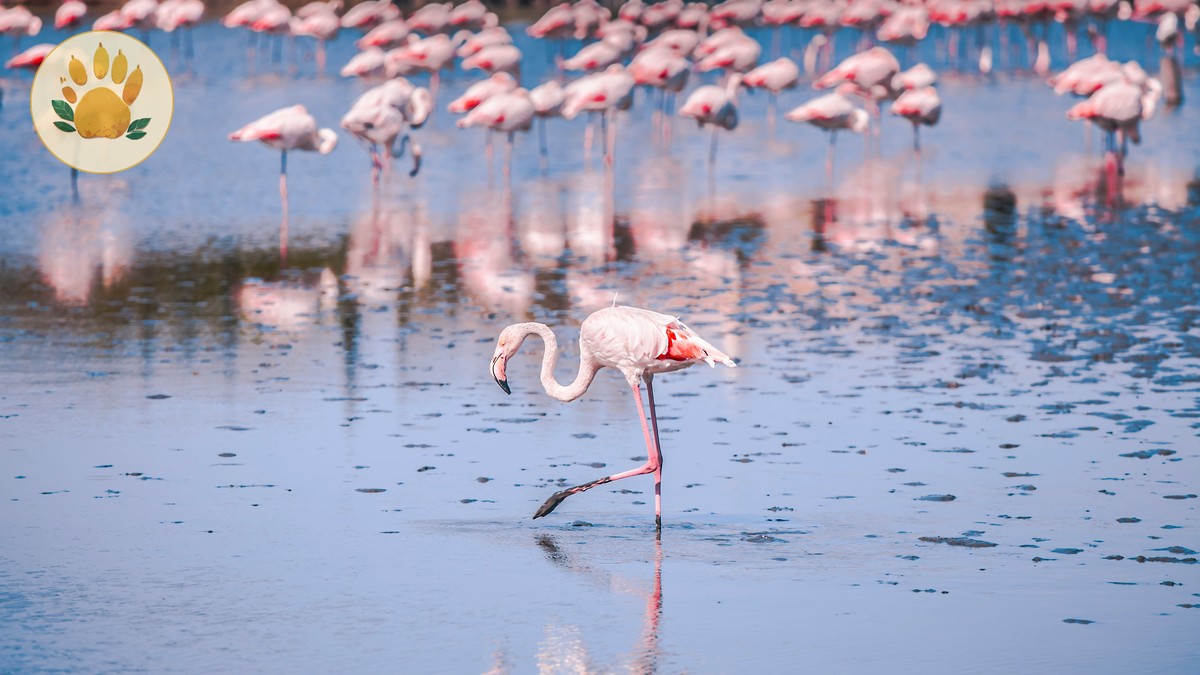
If a guaranteed or near-guaranteed lion sighting is the main goal of your trip, the Mara delivers better odds. If you want a fuller wildlife day that includes flamingos, both black and white rhino, Rothschild’s giraffe, and a genuine chance, not certainty, of a tree-climbing lion, Nakuru earns its place on the itinerary.
Is Lake Nakuru Better Than Masai Mara for Seeing Lions?
Not for lion density alone. The Mara holds one of the highest lion densities in Kenya, with well documented, tracked prides that guides can locate reliably most days. Nakuru cannot match that consistency.
Where Nakuru wins is variety in a small area and proximity to Nairobi. You can leave Nairobi after breakfast and be inside the park gate by early afternoon, which suits a shorter itinerary or a stop en route to the Masai Mara or Lake Naivasha. For travelers who want to understand broader predator activity, our guide to the best time to see predators hunting in Kenya covers how timing shifts across parks, not just Nakuru.
Other Predators and Big Five Status at Nakuru
Lions are only part of the predator picture. Leopards are present but rarely seen, since they favor the rocky escarpments and dense woodland away from main tracks. Our guide to where to see leopards in Kenya explains why leopard sightings across the country depend so heavily on terrain rather than park choice.
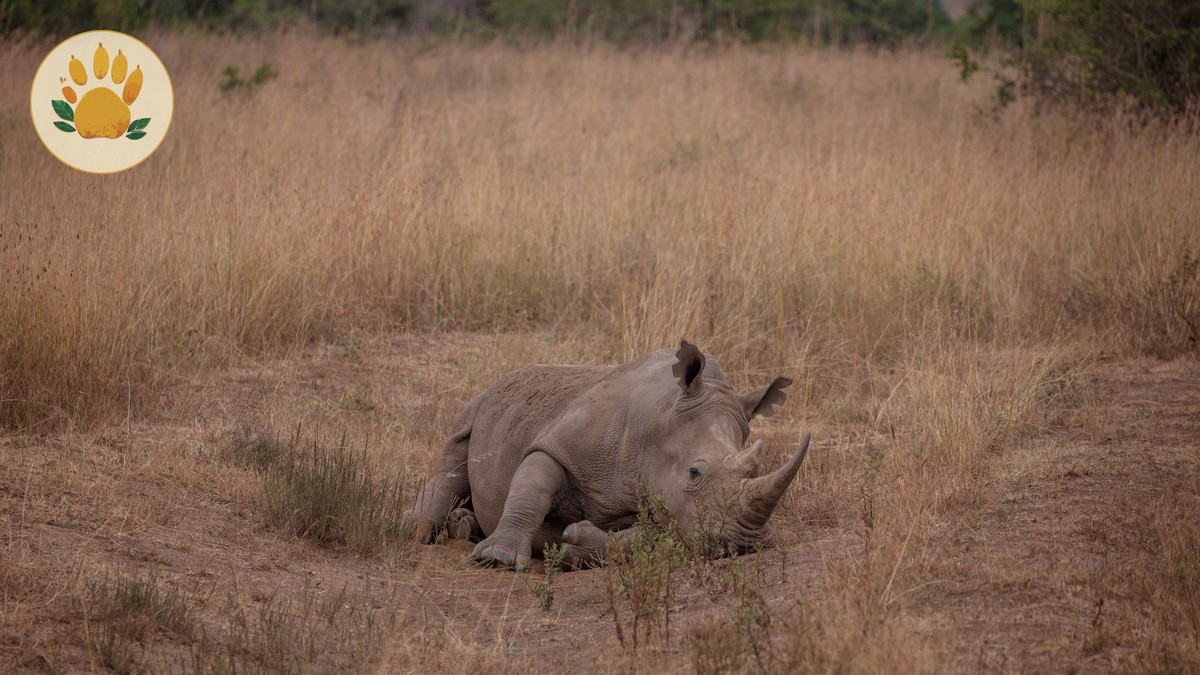
Lake Nakuru is a Big Five park, thanks to its black and white rhino sanctuary, one of the most successful rhino protection zones in Kenya, alongside resident buffalo, elephant in smaller numbers, and the lions covered here. For lion viewing in a similar fenced, forested park, our piece on lions in Aberdare National Park is a useful comparison, since Aberdare shares Nakuru’s wooded terrain and similarly modest sighting frequency.
Comparison: Nakuru vs Masai Mara vs Lake Manyara for Lion Viewing
| Park | Distance from Nairobi | Drive time | Park fee (non-resident, per day, indicative) | Lion sighting frequency | Tree-climbing lions |
|---|---|---|---|---|---|
| Lake Nakuru National Park, Kenya | 156 km | 3 hours | USD 60 (KES ~9,000) | Occasional | Yes, regularly reported |
| Masai Mara National Reserve, Kenya | 270 km | 5 to 6 hours | USD 80 (KES ~12,000) | Common | Rare |
| Lake Manyara National Park, Tanzania | 126 km from Arusha | 1.5 hours | USD 60 (indicative) | Occasional to common | Yes, well documented |
Fees change with park policy and season, so confirm current rates before booking. The pattern holds regardless: Nakuru trades lion certainty for a shorter drive from Nairobi and a wider mix of species in one compact park.
How Many Lions Are in the Park?
Precise counts shift with births, deaths, and occasional transfers between parks, so treat any figure as an estimate rather than a fixed number. Conservation reporting over recent years has generally placed Nakuru’s lion population in the range of 25 to 35 individuals, spread across two or three prides. That is a small number for a park of this size, which is part of why sightings stay occasional rather than routine.
Is Lake Nakuru Worth Visiting If I Want to See Lions?
If lions are the only item on your list, and you have limited days, put the Mara first. If you want a full day that mixes flamingos on the lake shore, a strong chance of rhino, and a real but not certain shot at a tree-climbing lion, Nakuru is worth the half or full day it takes to visit properly.
Most first-time travelers pair Nakuru with a longer Mara stay rather than choosing one over the other, since the drive from Nairobi to the Mara often routes near or through the Rift Valley anyway.
The SafariPure Difference
We plan lion viewing around actual sighting data, not marketing language. That means telling you plainly when a park rates “Occasional” instead of “Common,” and building your itinerary so a quieter park like Nakuru sits alongside, not instead of, a higher density option like the Mara. Our guides brief you on Lion Hill, Baboon Cliffs, and the Fever Tree Forest before you arrive, and we time your game drives to the 6:30 to 9:00 am and 3:30 to 6:00 pm windows when lion activity peaks. No guesswork, no inflated odds, just a plan built on what guides on the ground actually report.
Plan Your Visit
Lake Nakuru rewards patience and the right timing more than luck alone. If you want a safari itinerary that weighs your odds honestly and fits lion viewing into a trip that also delivers rhino, flamingos, and a well paced few days in the Rift Valley, get in touch through our contact page or browse our Kenya safari tours to start planning.