Kenya safari green season deals get thrown around loosely online, usually as “up to 50% off” banners with no camp names attached. The real story is more specific, and more useful if you are traveling on a backpacker budget. April and May bring Kenya’s long rains, real discounts, and real logistical headaches. Here is what actually happens on the ground, region by region.
What Green Season Actually Means
Kenya operators use “green season” for two different periods, and mixing them up leads to bad planning. The short rains fall in November, usually light afternoon showers that clear by morning. February and March form a dry, hot shoulder season between the two rains. April and May are the long rains, heavier, more consistent, and the main reason lodges cut prices hard.
If you want a gentler wet-season trip, how the short rains in November compare as a similar shoulder-season deal is worth reading before you commit to April or May. The long rains are the bigger gamble and the bigger discount.
Kenya Safari Green Season Deals: How Much You Actually Save
Prices below are indicative per-person, per-night rates in USD, based on typical published rack rates across comparable properties in each region. Treat them as a planning range, not a quote, and confirm current pricing with the property or operator directly.
| Region | Peak season (Jul-Oct), per person/night | Green season (Apr-May), per person/night | Typical discount | Road condition in the rains |
|---|---|---|---|---|
| Masai Mara Reserve (e.g. Governors’ area camps) | $600-900 | $350-550 | 35-45% | Poor, black cotton soil turns to deep mud |
| Mara Conservancies (Naboisho, Mara North, Olare Motorogi) | $500-750 | $300-450 | 30-40% | Fair, gravel base drains faster than the reserve |
| Laikipia (Ol Pejeta, Loisaba) | $450-700 | $280-420 | 35-40% | Good, well-graded murram roads |
| Samburu and Buffalo Springs | $400-650 | $250-380 | 35-40% | Good on main tracks, river crossings can flood |
| Amboseli | $400-600 | $260-380 | 30-35% | Fair, dust turns to sticky mud near the swamps |
A few camps close entirely for parts of April and May for maintenance, particularly smaller mobile tented camps in the Mara conservancies. Larger lodges and permanent camps, like those in Laikipia and Samburu, generally stay open year-round.
Wildlife Viewing in the Rains
The wildebeest migration is not in the Masai Mara during April and May. The herds are grazing in Tanzania’s southern Serengeti at this time and will not cross back into Kenya until roughly July or August. If the migration itself is the goal, this is not your window, and no green season deal changes that fact.
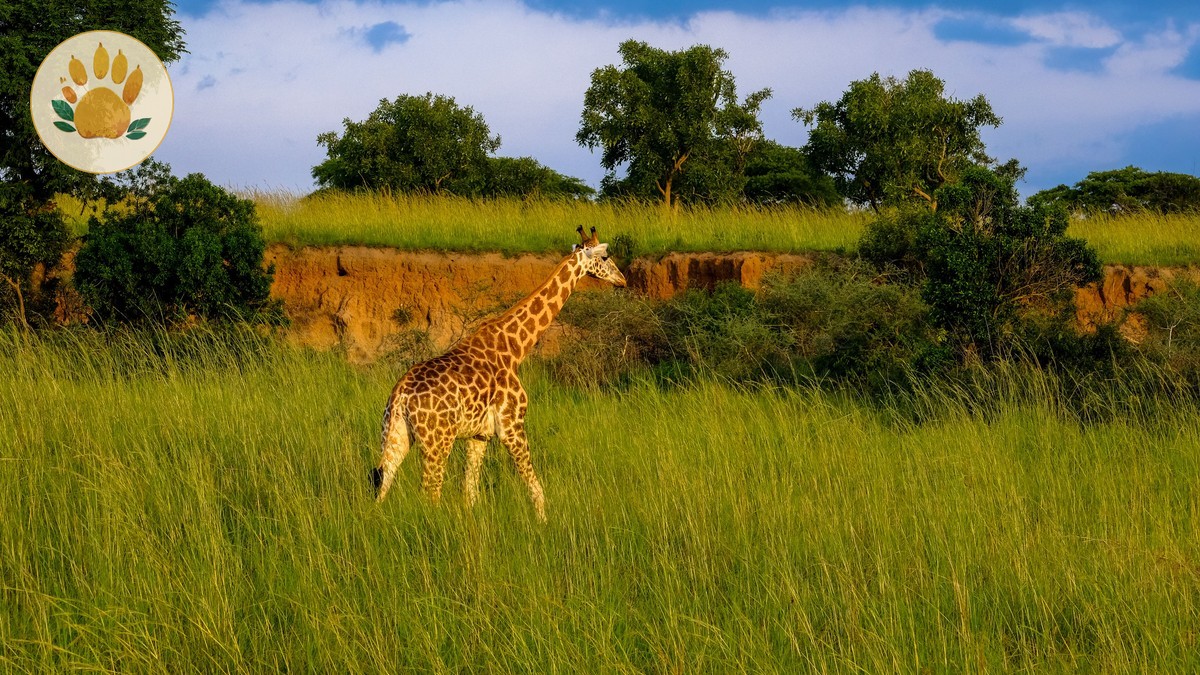
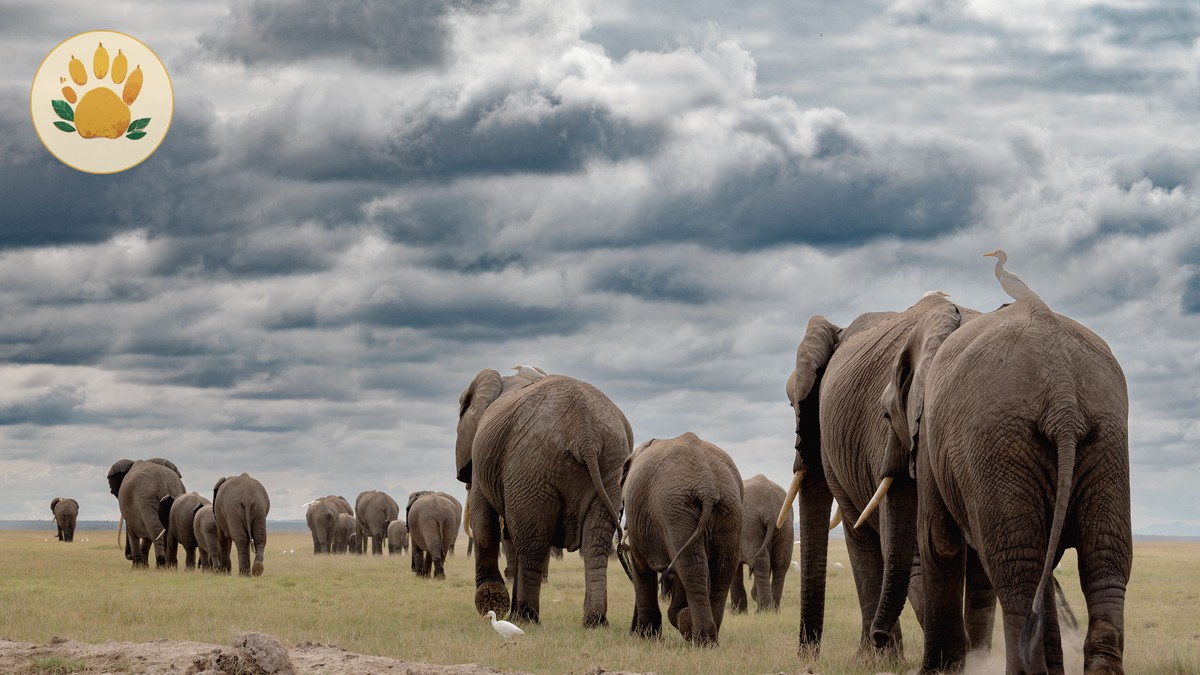
What you do get is a resident wildlife show that many guides prefer. Impala, topi, and zebra give birth heavily from March into May, which pulls in predators hunting the young. Grass grows fast and green, elephants and buffalo spread out across Laikipia and the Mara conservancies instead of clustering around the last waterholes. Sightings take more driving and patience, but they feel less staged than a line of vehicles around one leopard in August.
Crowds and Exclusivity
This is where green season earns its reputation. Camps that run at 80-90% occupancy in August often sit at 20-30% in late April. Fewer vehicles at a sighting means longer, quieter time with the animals, and guides have more room to go off-script rather than radio-hop between sightings. In the Mara conservancies especially, you can go a full morning drive without seeing another vehicle.
Roads, Mud, and Which Regions Handle It Best
This is the trade-off most listicles skip. Not every park handles the long rains the same way.
The Masai Mara National Reserve sits on black cotton soil, which turns into thick, grabbing mud after sustained rain. Some interior tracks become genuinely impassable for a day or two after a heavy storm, and self-drive visitors without a winch or a second vehicle can get properly stuck. The private conservancies bordering the reserve, like Naboisho and Mara North, have better-maintained gravel roads and drain faster.
Laikipia, home to Ol Pejeta Conservancy and Loisaba, sits on firmer, well-drained ground and keeps its roads in decent shape through April and May. Samburu and Buffalo Springs, further north and drier overall, handle rain well except where the Ewaso Ng’iro River rises and closes low crossings for a day. Amboseli’s swamp-fed lowlands get soft and slow, though the main circuit routes usually stay open.
If you are set on the Mara specifically, book a conservancy camp over a reserve-based one for April and May. You lose a little on cost savings but gain a lot on reliability.
Birdwatching and Photography
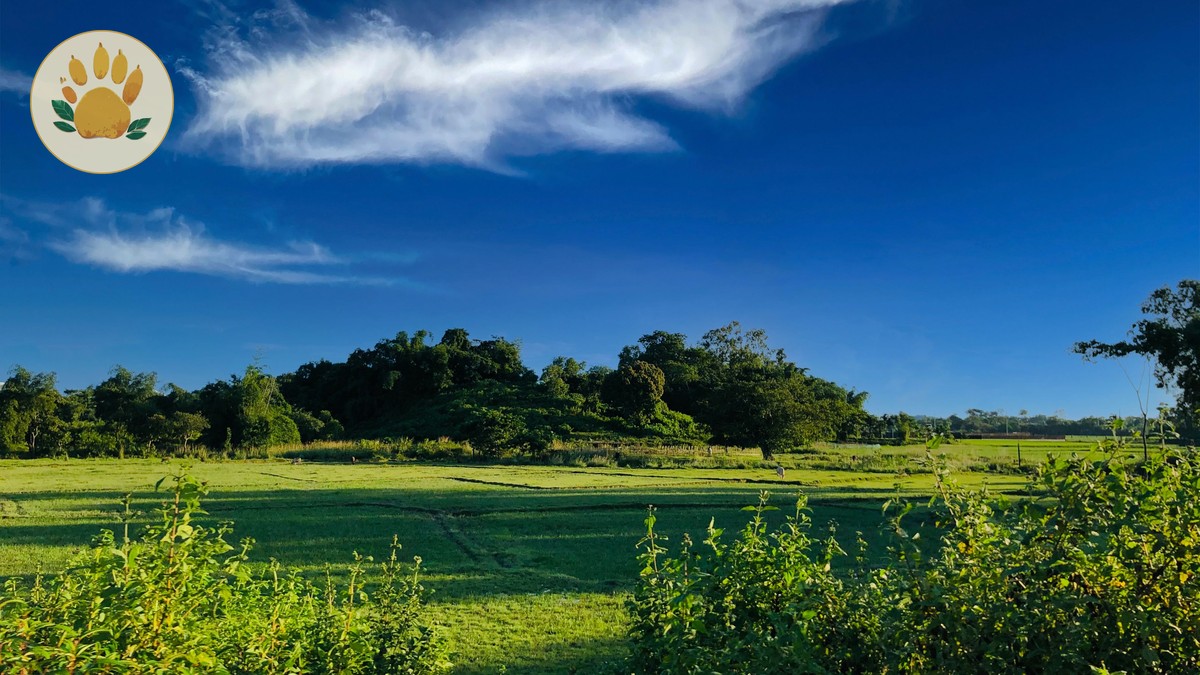
Most Palearctic migrant birds, the ones that fly down from Europe and Asia, have left Kenya by the start of April. What is left is resident bird activity at its peak. Many species are in breeding plumage and actively nesting, which makes for good, close photography if you are patient. The light itself is the bigger draw for photographers: storm clouds build most afternoons, giving dramatic skies, and the landscape turns a deep green that peak-season dust never produces.
Camping and Group-Joining Safaris on a Budget
For backpackers, green season is often the best financial window of the year. Public campsites run by county authorities sit just outside reserves like the Masai Mara and Amboseli, typically $20-30 per person per night, with basic ablution blocks and no fencing, so camps run with an armed ranger or guide present overnight.
Group-joining safaris, where you book a seat on a scheduled departure rather than a private vehicle, cut costs further by splitting vehicle, driver-guide, and fuel expenses across four to seven travelers. Nairobi-based operators run these routes most weeks even in April and May, since fixed departures need a minimum group rather than peak-season demand.
Getting to the parks by public transport is workable but takes patience. Matatus run from Nairobi’s Ronald Ngala Street to Narok, the gateway town for the Mara, for roughly KES 500-700 and about 2.5 hours. From Narok, a shared 4WD transfer covers the remaining 80 km-plus of murram road into the reserve, which can take 2-3 hours in dry conditions and longer after heavy rain. Nanyuki, the jumping-off point for Laikipia, is a straightforward 3 to 3.5 hour matatu or shuttle ride from Nairobi on tarmac.
Park entry fees add up fast on a group-joining budget, so check current KWS park fee categories before you finalize an itinerary, since rates vary by park and by resident status. For more ways to trim costs across the whole trip, see more ways to cut costs on a Kenya safari.
Booking Strategy and Timing
Green season rewards early planning less than peak season does, but it still pays to move ahead of the crowd. Camps release their lowest green season rates around 6 to 9 months out, then trim remaining inventory with last-minute offers 3 to 4 weeks before arrival if occupancy is low. For a specific group-joining departure date, book 2 to 3 months ahead so the operator can confirm a viable group size. If your dates are flexible, ask operators directly about late-breaking discounts closer to April, since these rarely make it onto public websites.
The SafariPure Difference
We do not sell green season as a blanket discount. We tell you which camp is open that week, which road into it is holding up, and what the rate actually includes, before you pay a deposit. Our guides work these regions year-round, so when we say a conservancy road in the Mara is fine but the reserve side is rough, that comes from a vehicle that drove it that morning, not a brochure.
Plan Your Trip
If April or May is looking like your window, we can build an itinerary around the camps that are actually open, the roads that are actually passable, and a budget that matches a group-joining or camping trip. Have a look at our Kenya safari tours or get in touch through our contact page to start planning.