Ask ten guides in the Masai Mara when predators hunt and you will get ten similar answers: early morning, late afternoon, and whenever a young or sick animal makes a mistake. The honest answer has more nuance. Timing matters, but so does season, location, and which predator you are chasing with a camera.
This guide covers both. It answers the best time to see predators hunting in Kenya, hour by hour and month by month. It also covers the logistics most guides leave out: reserve gate hours, conservancy rules, and what a night drive actually costs.
Best Months for Predator Activity: Dry Season vs Calving Season
Kenya’s predator viewing splits into two strong windows, and they reward different kinds of travelers.
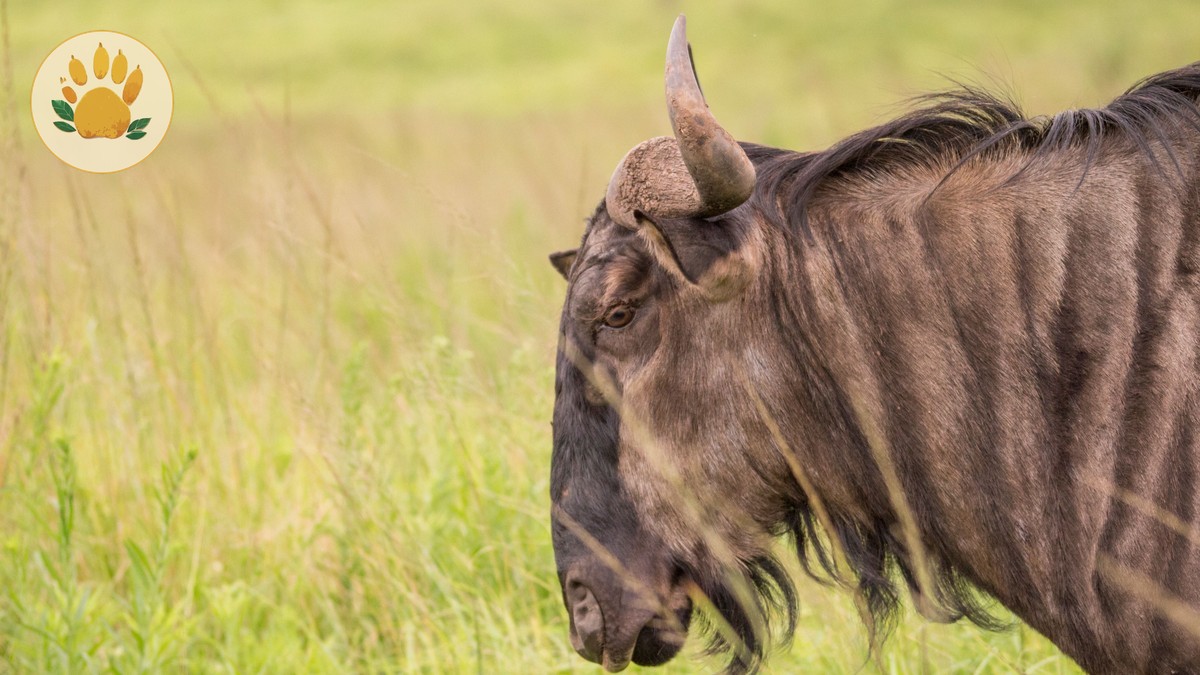
The dry season, roughly July through October, is the busiest and most famous. Grass is short, water is scarce, and animals concentrate around the Mara River and permanent waterholes. Wildebeest and zebra arrive from the Serengeti in huge numbers, and lions, hyenas, and crocodiles key their hunting around the river crossings. Vehicle numbers at popular crossing points can run into double digits, which affects both your photos and your peace.
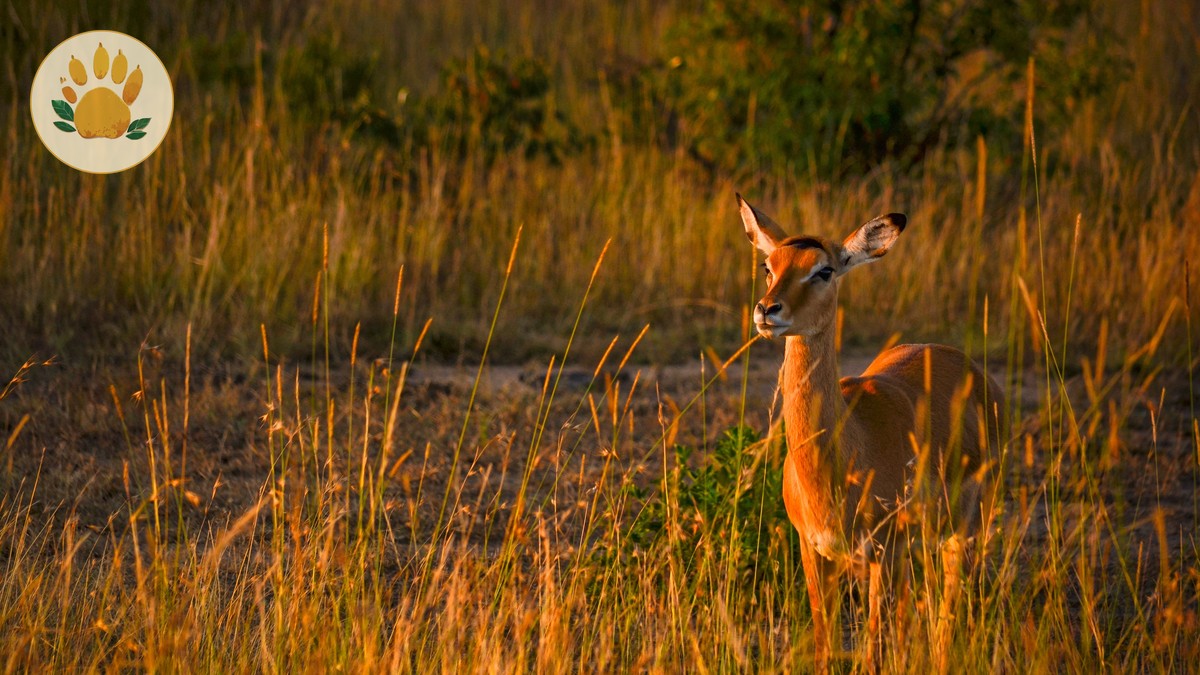
January and February offer a quieter alternative. The wildebeest themselves are usually calving across the border on the southern Serengeti’s Ndutu plains, not in Kenya. But the Masai Mara has its own version of this event. Resident topi, impala, warthog, and Thomson’s gazelle give birth through these months, filling the plains with vulnerable young. Lion prides and cheetahs take full advantage, and you can watch it with a fraction of the vehicles you would meet in September.
| Factor | Dry Season (Jul-Oct) | Calving Season (Jan-Feb) |
|---|---|---|
| Main predator draw | River crossings, migration herds | Newborn topi, impala, gazelle |
| Vehicle density at sightings | High, often 10-20 vehicles | Low, often 1-4 vehicles |
| Weather | Dry, dusty, cool mornings | Warm, occasional short showers |
| Indicative lodge rates (per person/night) | USD 450-900 | USD 250-500 |
| Best for | Dramatic river hunts, wide herds | Quiet stalks, close cheetah action |
If your budget or your patience favors a quieter trip, visiting during the short rains in November is a third option worth considering, sitting between the two peaks with lower rates and green scenery.
The Hunting Clock: Best Time to See Predators Hunting in Kenya
Predators in Kenya are mostly crepuscular. That means dawn and dusk, when temperatures drop and light is low enough to hide a stalk, are the most reliable windows.
Dawn (6:00-8:30am). Cats that hunted overnight are often still finishing a kill or moving off a carcass. Lions in particular are frequently caught mid-hunt or feeding at first light, since cooler air lets them exert themselves without overheating.
Midday (10am-3pm). Most predators rest. Cheetahs are the exception. They hunt more by sight than scent and often move in the mid-morning heat when competing hyenas and lions are less active. A midday cheetah hunt is one of the more predictable sightings on a Masai Mara game drive.
Dusk (5:00-6:30pm). Activity picks up again as the heat breaks. Lions begin moving toward water or toward herds bedding down for the night. This is prime time for stalking behavior, though the kill itself often happens after dark.
Night. Most actual kills happen between 9pm and 4am, out of sight of standard day visitors. This is where reserve rules matter most, covered below.
Species by Species: How Each Predator Hunts
Lions hunt in coordinated groups, mostly at dawn, dusk, and through the night. Prides in the Mara ambush wildebeest and buffalo near cover, using teamwork rather than speed. Daytime hunts do happen, especially in the cooler months of June through August.
Leopards are the hardest to see hunting because they work alone, mostly after dark, and favor thick riverine cover. Your best odds come from a guide who already knows a resident leopard’s territory, often along the Talek or Mara rivers.
Cheetahs hunt by day, using explosive speed rather than ambush. Open grassland areas like the Mara Triangle and Naboisho Conservancy give them the sightlines they need, and give you a genuine chance to watch a chase from start to finish.
Hyenas are opportunists and scavengers as much as hunters, active mostly at dusk and through the night. They also steal kills from other predators, so a hyena sighting near a lion kill often means a second story is unfolding.
Reserve Hours, Conservancies, and Where the Predator Density Is Highest
This is the part most guides skip. Where you stay changes what you are legally allowed to see.
The Masai Mara National Reserve, run by Narok County and the Mara Conservancy on the Mara Triangle side, operates on fixed hours: 6:00am to 6:00pm. Off-road driving and night drives are not permitted inside the reserve boundary. If a hunt develops at 6:15pm, you have to leave it.
The private conservancies bordering the reserve run under different rules. Mara North Conservancy, Naboisho Conservancy, and Olare Motorogi Conservancy all allow off-road driving to follow a hunt closely, and permit night drives with a spotlight, usually until around 9 or 10pm. Vehicle numbers per sighting are capped, often to five or fewer, which matters enormously for photography.
| Area | Gate Hours | Off-Road Driving | Night Drives | Indicative Conservancy Fee |
|---|---|---|---|---|
| Masai Mara National Reserve | 6:00am-6:00pm | No | No | USD 100/adult/24hr |
| Mara North Conservancy | 6:00am-7:30pm, night drives to ~9:30pm | Yes | Yes | USD 85-100/night, usually bundled into lodge rate |
| Naboisho Conservancy | 6:00am-7:00pm, night drives available | Yes | Yes | USD 80-100/night |
| Olare Motorogi Conservancy | 6:00am-7:00pm, night drives available | Yes | Yes | USD 100-130/night |
Fees are indicative and change with season and operator, so confirm current rates before booking. For predator density specifically, Olare Motorogi and Naboisho are consistently rated among the best in the Mara ecosystem, partly because low vehicle caps mean less pressure on the cats.
The Migration, River Crossings, and Why Predators Cluster There
Between July and October, over a million wildebeest and hundreds of thousands of zebra move through the Mara ecosystem, pulled north from the Serengeti by rain patterns. River crossings at points like Lookout Hill and Purungat concentrate huge numbers of prey in a short stretch of water.
Nile crocodiles wait in the river itself. Lions and hyenas patrol the banks, watching for animals that separate from the herd on the far side. This is genuinely the most concentrated predator activity you will see anywhere in Kenya, but it comes with crowds, dust, and long waits for a crossing that might not happen on your schedule. If your priority is guaranteed hunting behavior over a specific dramatic scene, the resident predators in the conservancies during calving season often deliver a more reliable, if smaller-scale, show.
Planning Your Game Drives and Vehicle Setup
For photographers, vehicle configuration matters as much as timing. A shared minibus with four other guests will cost you angles and time. A private 4×4 with a pop-up roof and a guide who talks to other trackers by radio gives you first access to a sighting and the freedom to reposition for light.
Plan two drives a day around the dawn and dusk windows, with a rest at camp through the heat. Pack a beanbag or gimbal head rather than a tripod, since most shooting happens from the vehicle. If your trip is short, a short Masai Mara safari of three days can still deliver strong predator sightings if you time the drives around dawn and dusk rather than sleeping through them.
How Long to Stay
Three nights is the practical minimum for predator-focused photography, since it gives you two full dawn-to-dusk cycles plus a buffer day if weather or a slow morning costs you a sighting. Five nights, split across a reserve stay and a conservancy stay, gives a better mix of scale and access. Travelers working with a tighter budget should look at the cheapest way to visit the Masai Mara, which usually means shoulder-season dates and a shared vehicle rather than cutting nights short.
The SafariPure Difference
Most guides tell you July is dry season and lions hunt at dawn. We plan around the specific mechanics. We know which conservancy allows the off-road approach a stalking lioness needs. We know which gate hours rule out a dusk kill in the reserve, and which camps sit inside conservancies with genuine night drive access. We build itineraries around light and legal access, not just a season on a calendar, because a well-timed drive in a quiet conservancy often beats a crowded one at a famous crossing.
Plan Your Predator Safari with SafariPure
The best time to see predators hunting in Kenya depends on your dates, your patience, and how close you want to get. Talk to us about matching your trip to the season and conservancy that fit your priorities, whether that means dry season river crossings or a quiet calving season stalk. Visit our contact page to start planning.