Parents booking a first Kenya safari often ask about vegetarian and vegan food at safari camps before anything about wildlife: will there be enough to eat if someone in the family is vegetarian or vegan. The short answer is yes, but the experience varies by camp type, and it pays to plan ahead rather than assume.
Is it easy to be vegetarian or vegan on a Kenya safari?
Vegetarian food is easy in Kenya. Much of the everyday diet, from lentil stews to maize and greens, is naturally meat-free. Vegan food takes a little more coordination, mainly around dairy, but most camps handle it well once they know in advance.
The gap shows up between established lodges with kitchen gardens and remote mobile camps that carry limited fresh stock. Both can feed a vegan family properly. The mobile camps just need more notice, because their supply runs come from towns like Narok or Nanyuki once or twice a week.
What to expect on the menu
Breakfast at most lodges includes porridge, fresh fruit, toast, and eggs on request, so vegans simply skip the eggs. Lunch is often a buffet with rice, vegetable curry, and salads. Dinner tends to be a plated three-course meal, and kitchens will usually build a parallel vegan version once notified.
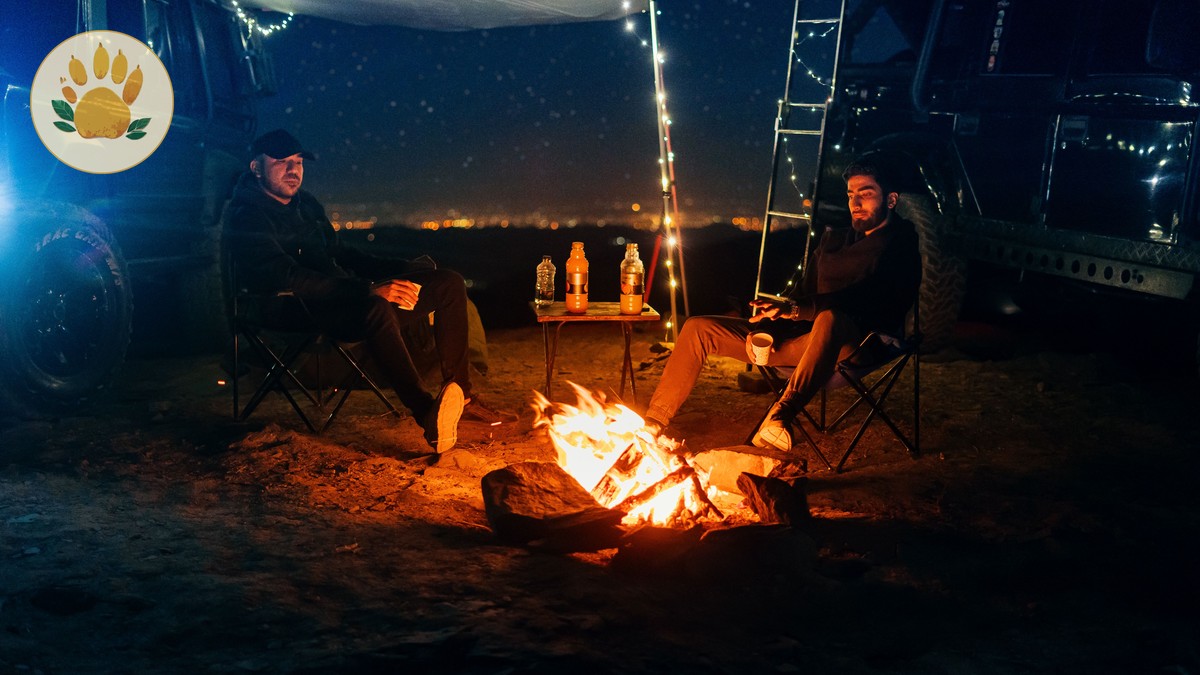
Bush meals, whether a breakfast table set up under an acacia in Amboseli or a sundowner snack on the Mara plains, are easy to adapt. Chefs pack extra fruit, roasted vegetables, and nuts instead of the usual bacon and cheese platters.
Typical Kenyan vegetarian and vegan dishes
Kenyan cooking gives vegetarians a genuine head start. Dishes worth asking for include:
- Ugali – a firm maize porridge, the everyday starch across Kenya
- Sukuma wiki – sautéed collard greens, usually vegan as served
- Githeri – a maize and bean stew, filling and naturally vegan
- Kachumbari – a fresh tomato and onion salad, similar to salsa
- Chapati – a flatbread, vegan unless made with ghee
- Irio – mashed peas, potato, and maize, a Kikuyu staple
- Dengu – green gram stew in a light coconut or tomato sauce
- Maharagwe – red beans cooked in coconut milk
Most of these appear on lodge menus described simply as “local dish,” so it is worth asking staff by name if you want to try the real thing rather than a Westernized substitute.
Vegan-specific considerations
Cow’s milk and butter show up often in Kenyan cooking, so vegans need to flag this clearly, not just tick “vegetarian” on a form. Plant milk is improving but not universal. Coastal and Nairobi hotels usually stock oat or soy milk. Remote camps may not, so pack a small carton or sachets of your own.
Protein is rarely a problem given beans, lentils, and groundnuts feature throughout the country’s cooking. Tofu and nutritional yeast are harder to find outside Nairobi supermarkets like Zucchini or Chandarana, so bring your own if you rely on them.
Planning ahead: how to tell your operator
Tell your operator at the time of booking, then confirm again about two weeks before departure. This gives camps time to route supplies through their next stock run, especially in Amboseli, Samburu, or the Mara conservancies. If you are still mapping out the trip, this is worth building into planning a 10-day Kenya safari itinerary rather than an afterthought once flights are booked.
Be specific. “No dairy or eggs, plant milk if possible” gets a better result than “vegan” alone, which some staff may read as vegetarian.
Vegetarian and vegan food at Kenya safari camps and lodges
Variety generally rises with a camp’s size and its distance from a supply town. The table below is indicative, based on typical operator practice across camp tiers, and should be confirmed at booking.
| Camp tier | Example property | Region | Distance/access from Nairobi | Vegan notice typically needed | Extra charge for vegan items |
|---|---|---|---|---|---|
| Mobile tented camp | Kicheche Bush Camp | Mara North Conservancy | ~270 km, or a 45-minute flight to Musiara airstrip | 10 to 14 days | Sometimes, for imported items like plant milk |
| Mid-range lodge | Ashnil Aruba Lodge | Tsavo East National Park | ~230 km, about 4 hours by road | 5 to 7 days | Rarely |
| Luxury lodge | Angama Mara | Mara Triangle, Masai Mara | ~270 km, or a 45-minute flight | 5 to 7 days | No, usually included |
| Eco-focused lodge | ol Donyo Lodge | Chyulu Hills | ~250 km, or about 1 hour by air from Wilson Airport | 7 days | No |
Budget and mobile camps can match a lodge’s vegetarian variety, but the vegan menu may repeat more across a three-night stay if you are deep in a conservancy with no daily supply run.
Bush breakfasts, packed lunches, and picnic meals
A packed lunch for a game drive in Amboseli or the Mara usually includes a grain salad, roasted vegetables, hummus or bean dip, fruit, and a flatbread. Ask for it to be packed without the usual boiled egg and cheese, and most camps will swap in extra fruit or a bean patty instead.
Bush breakfasts follow the same pattern: a table set up with a view, coffee, fruit, and a hot dish cooked to order, such as vegetable stew over rice.
Hygiene and food safety
Stick to bottled or filtered water, which every camp provides, and eat food that has been cooked hot rather than left out. Kenyan vegetarian staples like githeri and sukuma wiki are cooked fresh and served hot, which makes them a safe, reliable choice on the road as well as in camp.
The rise of sustainable, vegan-friendly camps
More Kenyan camps now run kitchen gardens, solar power, and low-impact kitchens, which tends to go hand in hand with better plant-based menus. A camp growing its own spinach, tomatoes, and herbs on site has fresher vegetarian options than one trucking everything in. It is a trend worth asking about directly when you compare properties, alongside more familiar questions about game drive vehicles and guide ratios.
The SafariPure Difference
We ask about dietary needs at the enquiry stage, not as a box to tick later, and we tell you honestly which camps handle vegan requests well and which ones will need more lead time. We do not oversell remote mobile camps as having lodge-level variety when they do not. If you are traveling with kids and comparing costs, our notes on safari on a budget include which properties keep vegetarian meals interesting without the luxury price tag.
Frequently asked questions
Is it easy to be vegetarian on a Kenya safari? Yes. Local staples like ugali, githeri, and sukuma wiki are naturally vegetarian and widely served.
What do vegans eat on safari in Kenya? Bean and lentil stews, vegetable curries, rice, chapati made without ghee, and fresh fruit, with more variety at lodges that keep gardens.
Can you get vegan food in the Masai Mara? Yes, most lodges and camps in the Mara can prepare vegan meals with a few days’ notice, though remote mobile camps need more lead time.
How much advance notice should I give? Tell your operator at booking, then confirm two weeks out. Mobile camps in remote conservancies benefit from the longest notice.
Do camps charge extra for vegan meals? Most do not. Some remote camps add a small charge for imported items like plant milk or tofu.
What should vegans pack for a Kenya safari? A small supply of plant milk sachets, nutritional yeast, or protein bars if you rely on them, since these are hard to find outside Nairobi. Check our printable safari packing list for the rest.
Plan your trip with SafariPure
If you are traveling with children and want a route that respects dietary needs without slowing down the pace of the trip, we can build it around you. Visit our Kenya safari tours page or get in touch to start planning.